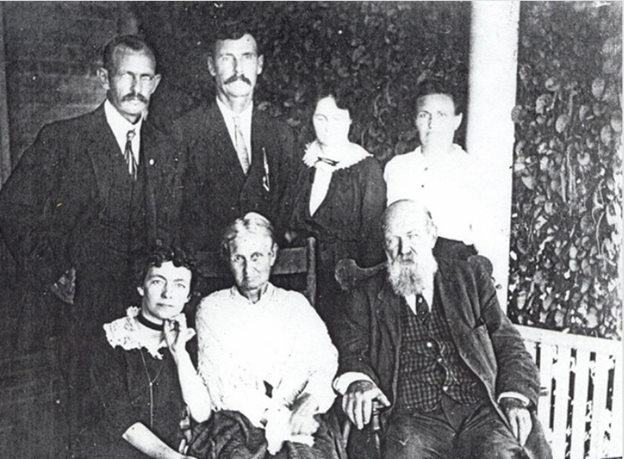
Abbie, Heroine of Iron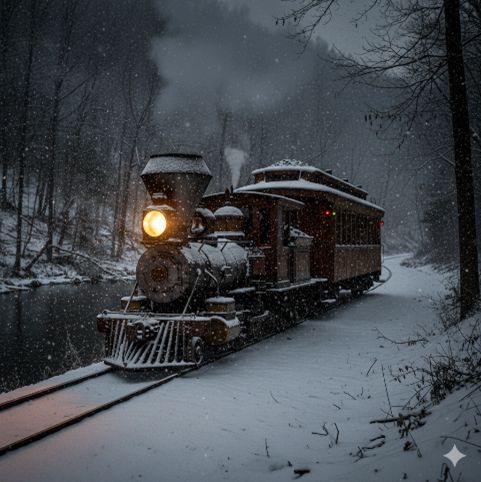
On a frigid December night in 1862, with single-digit air borne on the winds of a howling blizzard, a seventeen-year-old girl held the fate of the Union in her frostbitten hands. Inside the small station at Port Perry, Pennsylvania, the telegraph sounder began clicking frantically—a staccato rhythm of pending doom for Lincoln’s top generals. Before the last “clack” of the message finished, Abbie Gail Struble was out the door.
__________________________________________________________________________________________________________________
Abbie Gail Struble was born on April 22, 1845, in Perrystown, PA, the third of eight children born to George Lewis Struble and Margery (Gregory) Struble.
Perrystown, situated some 12 miles southeast of Pittsburgh, was founded in 1790 by John Perry, its location chosen for the convenient confluence of Turtle Creek with the Monongahela River. From there farmers could ship their grains, and loggers could float their timber, down to Pittsburgh. And from there, perhaps even as far as New Orleans. But these were low-capacity flat bottomed boats: the river was too mercurial, going from a lazy shallow stream to bellowing beast in the spring. The low-draw boats could make it through the shallows, and over rocks—with a skilled pilot.
The 1836 charter of the Monongahela Navigation Company presaged the end of Perrystown’s isolation. By 1841, the completion of the second of seven planned locks transformed the quiet settlement of eight families into Port Perry. The river was no longer a shallow obstacle; it was a highway for deeper-draw vessels plying the waters in both directions.
While the Monongahela Navigation Company was taming the water with hand-hewn stone [1], a different kind of current was arriving in Allegheny County—the telegraph.
In 1845, the year of Abbie’s birth, the first commercial telegraph poles were already marching across the American landscape. It had been just one year since Samuel Morse tapped out his historic first message, “What hath God wrought?” By the time Abbie was old enough to walk the wharves of Port Perry, the rhythmic “clack” of the telegraph was already competing with the roar of the riverboat whistles and the thump of paddle wheels.
This new technology soon found its permanent partner in iron. In 1851, the Pennsylvania Railroad reached the town, hugging the riverbanks leveled by the Navigation Company’s earlier work. To maintain a level grade, the tracks followed the river’s bend, along the right bank, downstream toward Pittsburgh, at one point piercing a rugged hillside via a dark, narrow tunnel. The rails and the telegraph arrived as a pair; in those early days, one simply could not exist without the other.
Abbie’s father, who went by Lewis, arrived from Germany in 1836 as a healthy young man. Drawn to Port Perry’s labor market, he spent his early years as a “Laborer” on the river navigation works and the wharves. Eventually, he became a “pilot,” mastering the seasonal currents and hidden rocks of “the Mon.” When the PRR arrived, Lewis saw a way out of backbreaking labor. He mastered the telegraph code and was hired by the railroad. [2].
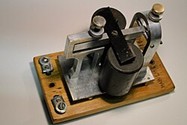
Telegraph Sounder
Lewis didn’t just learn the code; he brought it home. Because of the job’s importance, telegraphers often lived in or alongside the station. In the crowded Struble household, the staccato rhythm of the telegraph became a second language. While other girls practiced needlepoint, Abbie and her sister Madge (younger by two years) mastered the “sounder.”
At the time, most operators were still “readers”—they relied on a machine to emboss the code onto long strips of paper tape, which they then transcribed into letters, then into words. But the Struble girls were “hearers.” They developed the rare ability to translate the metallic clicks made by a sounder, essentially a metallic bell, into English in real-time, purely by ear. This skill made them faster, more accurate, and—by the time the Civil War arrived—indispensable. [3]
In 1861, Abbie and Madge, and close friend Anna Bellman, went off to the Pittsburgh Female School (now Chatham College) to get official training and certification in telegraphy.
There was great reluctance to hire women as telegraphers. But eventually many were hired: the need for telegraphers trumped the issue of gender. Soon the PRR hired Lewis’ two gifted daughters. They all worked at the telegraph station and house – keeping it manned 24/7.
By mid-December 1862, the Union was bleeding out. The year had begun with hope for a quick resolution, but the reality was grimmer. A string of losses was followed by the Pyrrhic victory at Antietam—the deadliest day in American military history, a slaughter that left the Army of the Potomac shattered. [4]
Seeking a turning point, President Lincoln pressured his newly appointed head of the Union Army, Ambrose Burnside, to be more aggressive. Burnside obliged, launching a massive assault against Confederate forces at Fredericksburg, Virginia, on December 13. It was a disaster in every regard. Despite possessing far superior numbers in troops and cannons, Burnside blundered, sending his men into a meat-grinder. The Union suffered twice as many casualties as the Confederates. By the 15th of the month, Burnside and the remnants of his army withdrew, a movement that sent ripples of panic and reorganization northward through the rail hubs of Pennsylvania.
News of the loss devastated moral across the north, from the military, to the government and especially to the public, who nearly lost all faith in the effort … and in Lincoln.
The Strategic Pivot: the Generals went North, to Pittsburgh
The disaster at Fredericksburg had done more than just deplete the Union’s ranks; it had paralyzed the Eastern Theater. With the Army of the Potomac in shambles and the Baltimore & Ohio Railroad—the Union’s primary southern artery—clogged with wreckage and vulnerable to Confederate bushwhackers, the North was forced to pivot. Pittsburgh became the essential “Safe Harbor.” Situated safely behind the Allegheny Mountains, it was the only major industrial hub that could refit an army without fear of Lee’s cavalry. High-ranking generals and their staffs were pulled north to Pittsburgh to coordinate the “Westward Shift,” as Lincoln began to look toward the Mississippi River and the rising star of Ulysses S. Grant to salvage the war effort.
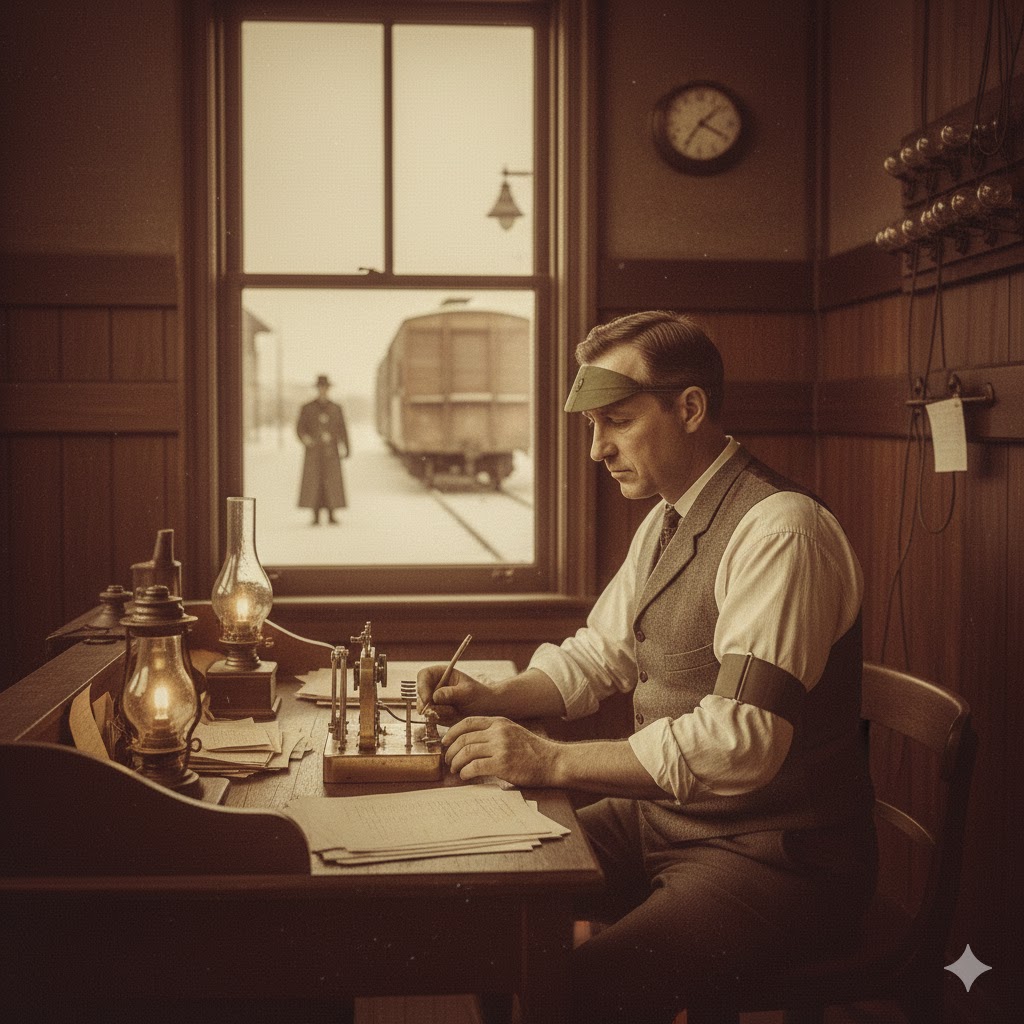
telegrapher in small rail station
Beyond strategy, there was the sheer gravity of the “Iron City.” Pittsburgh was the Union’s arsenal, producing the massive Rodman cannons and the iron plating for the river monitors that were winning the war in the West. In December 1862, the rail lines through Port Perry were thick with “Military Specials”—ghost trains carrying generals for secret war councils at the Monongahela House or overseeing the emergency transport of heavy artillery. These trains moved with a frantic, unlisted urgency. They were the “invisible” traffic of the war, and on a single-track line, invisibility brought potential for catastrophe.
The Monongahela House was the premier hotel in Pittsburgh; it became the “situation room.” Burnside, Grant and many top generals stayed there. Even Lincoln visited once, in February 1861, on his way from Illinois to his inauguration.
Military traffic was heavy through tiny Port Perry: troops, armaments, iron. And of necessity, so was the telegraph traffic. The Struble girls were often privy to very classified information as they read and relayed important telegrams.
Many of the military trains were “ghost trains”, born from the need for secrecy they weren’t shown on any schedule. They were called “Extras”. Telegraph was sufficient to notify stations along the way, often with little warning, that the track must be cleared using sidings and switch yards at stations. Such was the status of the late December train headed for Washington, carrying all of the Union’s top generals who had been urgently summoned by President Lincoln.
________________________________________________________
Nothing—not a train nor any packet of information—went through Port Perry without at least one of the Strubles knowing it. They were now an extremely critical link in the battle to end slavery and keep the young nation of 86 years united.
On a bitter cold December night Abbie received a message that a locomotive carrying a single car had rumbled out of Pittsburgh, carrying the generals and top officers to an emergency conference with the President. An extra. A ghost train.
As researcher Chris Enss writes:
“At the same time, a west bound freight train pulled into the depot
fifteen miles east of Port Perry. The conductor of the west bound train
entered the telegraph office and asked for track clearance to
Pittsburgh. The message was relayed to the train dispatcher, and the
‘all clear’ reply came back.”
All seemed as it should be as the freight train departed toward Port Perry. It chugged steadily into the storm, a heavy chain of iron pushing through the gale and snow. Though the blizzard forced a cautious pace and choked the engineer’s view with snow, the train’s burdensome weight gathered a cold momentum as it pushed along the tracks bordering the river.
Unexpectedly, Abbie heard the sounder clacking frantically—a frenzied message from the dispatcher who had given the “all clear” just minutes before. He had only just learned of the ghost train from Pittsburgh. It was too late for him to intervene; he could only hammer out a desperate warning down the wire.
A head-on collision was imminent.
Abbie didn’t hear clicks or individual letters—she heard words. Every second saved by her “hearing” was invaluable. She looked out the station window and realized she had only heartbeats to act. Through the swirling snow, she saw the freight train’s headlight already cutting through the station yard. No use and no time to put up the station’s stop signal.
—–
Even in clear weather, trains often slow to a crawl near stations and yards to navigate switches and signals, even when there is no stop scheduled. When heavy snow hits, visibility and friction drop sharply. Engineers must then drop to a “Restricted Speed”—often under 5 mph—ensuring they can stop within half the distance they can see, an operational requirement.
With herculean determination, she swung her weight toward the ladder, her boots scraping for purchase against the vibrating iron. Hand over hand she went, up the rungs. At each rung her fingers flash-froze to the metal, pulling off flecks of skin with each release, but she didn’t slow. The biting cold was now a part of her, a raw and bloody price for every desperate inch.
While the specific mechanics of Abbie’s transit from box car to across the coal tender are not detailed in contemporary accounts, they are creatively synthesized here based on the physical layout of the 1860s rolling stock and the known outcome of her arrival in the engine cab.
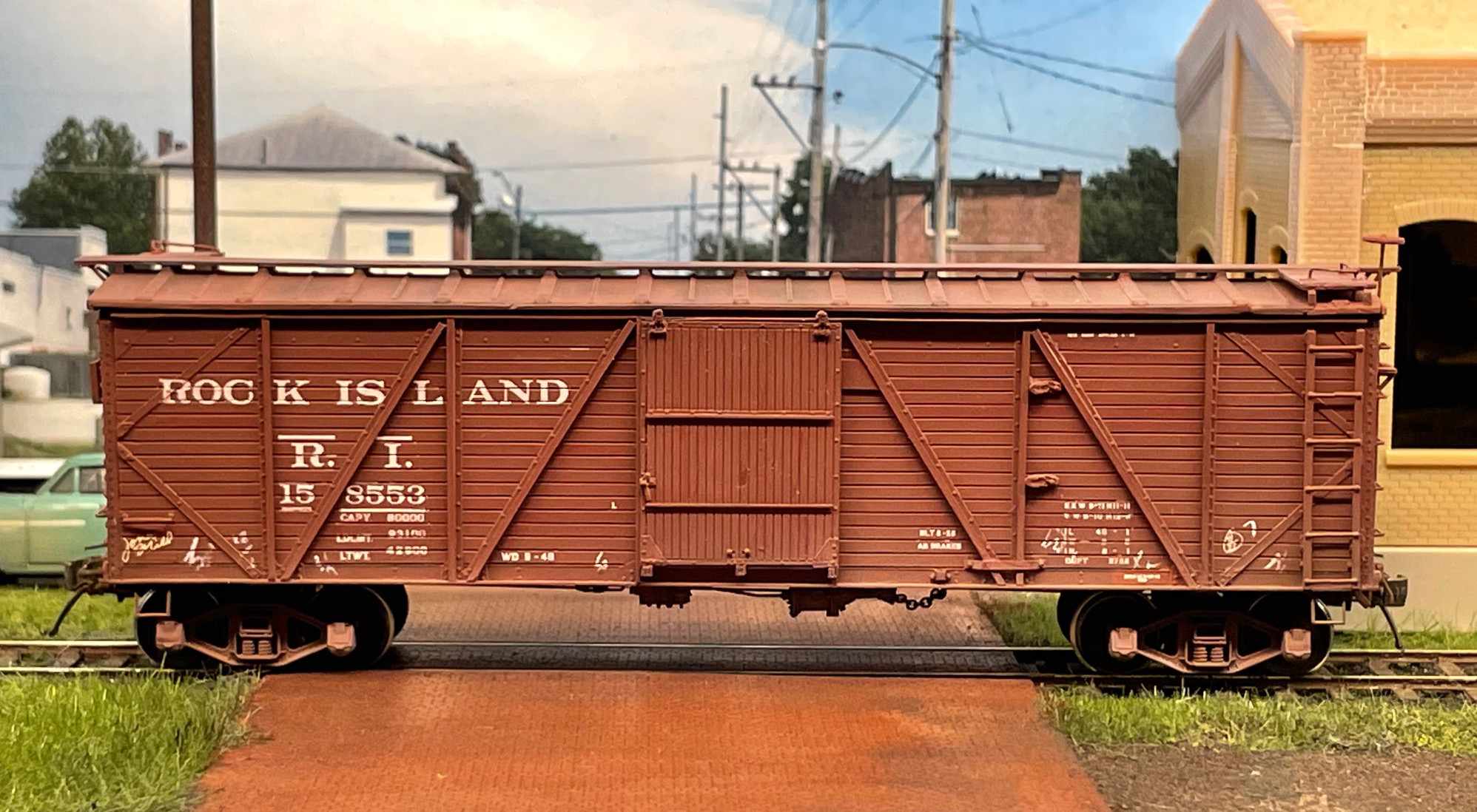
Box car–ladder and rungs at one end
This region of the train was one of the most vibrationally violent. Even with the locomotive moving slowly due to reduced visibility, the heavy cars groaned as they followed the river’s turns. They didn’t just roll; they lurched and shuddered, turning the simple act of standing into a fight for survival.
Tenders of that era had a ladder at their aft end—a vertical string of iron “stirrups” set off-center. Abbie edged to the far fore of the boxcar rungs, the freezing wind whipping her skirts as she prepared for the leap. Trailing soot and sulfurous smoke from the locomotive choked her, but her focus remained sharp.
With her left hand anchored, she reached out diagonally, her right arm and leg fully extended over the “jaw” of the coupling. The gap to the tender stirrups was a terrifying three-and-a-half-foot void of rushing darkness and vibrating iron. With courage beyond imagination, she released her certain grip on the boxcar and threw her
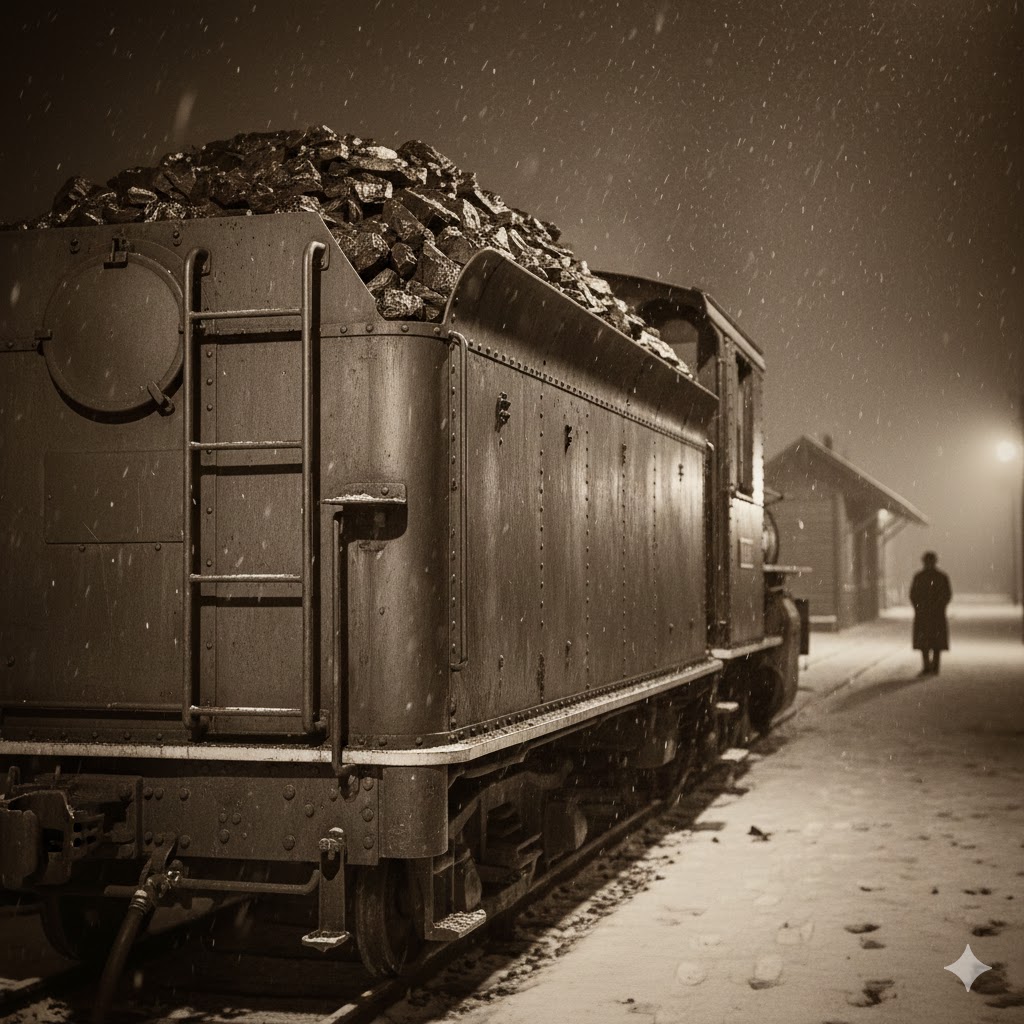
1860s Tender with rear ladder
weight into the storm, her fingers clawing for the icy rungs of the tender.
With frostbitten, de-skinned fingers, Abbie reached the top of the tender. The coal was heaped high and slick with snow. Just as she pulled herself over the edge, gaining some traction on the coal, a tremendous whack struck her leg, nearly pitching her into the fatal oblivion of the tracks below. It was the “tell-tales”—the heavy, knotted ropes hanging from the gallows-arm above—warning that the train was entering the tunnel.
She dropped instinctively to a crawl as the world vanished into a suffocating, pitch-black void. Inside the tunnel, the locomotive’s smoke was trapped, funneling directly into her lungs while tiny hot cinders stung her face. She scrambled blindly over the frozen mounds, the sharp corners of coal piercing her raw palms and knees. Every breath was a struggle against the soot, yet she pushed forward until she reached the tender’s foremost end, where the orange glow of the firebox finally flickered through the dark.
From the station door to the front of the tender had taken twelve grueling, painful minutes.
Below her, two firemen labored in the “hell-gate” of the footplate—blistering hot from the furnace on one side, literally freezing from the blizzard on the other. Abbie was at her physical limit, her strength spent. She tried to scream, but the cacophony was absolute: the rhythmic pounding of the cylinders, the grinding of the massive drive wheels, the rattle of the links, and the roar of the storm swallowed her voice.
In desperation, she grabbed a frozen lump of coal and hurled it.
“What the—?” A fireman recoiled as a chunk of coal struck his shoulder. He looked up, expecting a shifting load, but found instead the ghost of a frozen girl peering down from the rim of the tender. Through frantic, blood-smeared gestures, she signaled the danger ahead. Startled, he reached up and hauled her down to the vibrating floor, where the heat of the firebox met her frozen resolve. It was only then, as she gasped for air, that they learned the true urgency of her mission.
The engineer threw the heavy Johnson Bar into reverse. Despite the slick rails, the train ground to a halt; their cautious speed through the blizzard had left them with much less momentum than if the weather had been fair. He opened the “sander,” dropping just enough grit onto the iron rails to find the static friction needed to get purchase, and retreat.
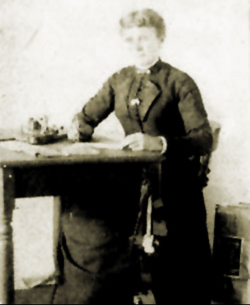
Abbie, later years, perhaps early 1900s
The locomotive pushed backward through the storm as fast as the engineer dared, covering nearly 2 miles back to Port Perry in a desperate race against the clock. He knew track was clear; and made good time. As they entered the station yard, a crew man climbed down and pulled the switch. The train moved to a sidetrack, then the switch was reversed. A few minutes later, the express train carrying Lincoln’s generals whooshed by—a ghost of steam and metal heading east toward Washington.
Abbie’s unique talent—her ability to “hear” the words in the sounder while others were still transcribing—had bought her precious seconds. If not for that, she wouldn’t have caught the first box car, and her scramble to the engine cab would have been taken too long, and probably impossible.
But that skill would have been meaningless without her staggering bravery and athleticism. In excruciating pain, lungs filled with smoke, snow and charcoal dust, and in the very face of death, Abbie Gail Struble had saved the leadership of the Union Army. It is a chilling exercise to imagine the course of the Civil War had she stayed by the warm stove in the station.
____________________________________________________________________________
On May 24, 1866, Abbie married a telegraph lineman named John Vaughan. Under her expert coaching, John mastered the art of reading the sounder, and together they joined the great westward expansion of the railroads. Their skills took them across the continent—from the plains of Texas to the Mexican National Railroad and many other locales—as they raised five children. In a fitting tribute to their mother’s legacy, all five went on to become telegraphers.
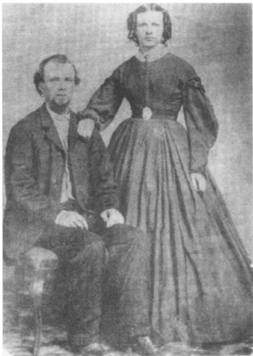
Young Abbie and John Vaughan, perhaps wedding shot
They eventually settled in Long Beach, California, where Abbie became a renowned teacher of the craft. Though she retired in 1913, her country called upon her once more in 1917. At the age of seventy-two, as the nation entered the Great War, Abbie returned to work for the Army to train a new generation of recruits. By then, she was known affectionately as “Mother Vaughan,” the Mother of Code Telegraphy.
Abbie passed away on September 17, 1924, age 79. Her husband, John, had passed a few years before, on June 23, 1921. They are both buried at Sunnyside Cemetery, in Long Beach, Ivy plot, lot 86. Sadly, her younger sister, Margery, “Madge”, Abbie’s equally skilled sister, passed away in 1894 after a brief illness
Though her heroism was documented in the regional press of the 1860s, her story resonated for a century, culminating in a major retrospective in the Los Angeles Times on May 5, 1958, which sought to preserve the legacy of “The Girl of Port Perry” for a new generation.
History is often loud in its moments of crisis but silent in its gratitude. While no official medal commemorates that night in the blizzard, Abbie built a prize far more lasting: a legacy of communication that resonated for a century. On the “Right Bank” of history, she remains the girl who heard what others couldn’t, and did what others wouldn’t.
Joe Girard © 2026
Thank you for reading. As always, you can add yourself to the notification list for newly published material by clicking here . Or emailing joe@girardmeister.com
Footnotes:
[1] Stone. The entire project was done by hand: hard labor. Hand hewn stone from local quarries was used to build the dam and the line the locks.
[2] a) his name was probably Anglicized from Georg-Ludwig Strubel. (b)Germany was not a country until 1871. In at least one census report he is from Baden, a principality that contained Heidelberg, Freiburg, and Mannheim.
[3] Sounders were still somewhat rare at that time, but they were becoming more and more common, especially as the war dragged on. And rail traffic increased. The need for speed.
[4] On that single day, September 17, 1862, nearly 3,700 lives were lost in battle, more than The War of 1812, the Mexican-American War, and the later Spanish-American War COMBINED. Total casualties that day were over 22,700 men. D-Day (June 6, 1944) came at a price of 2,500 US lives; Pearl Harbor (Dec 7, 1941) took 2,400.
Author’s notes
- I first found this story in a book by Chris Enns called Iron Women.
- Descriptions of Annie’s heroic acts are somewhat thin. One has very little heroism, she merely stopped the train. Others are tauntingly more thrilling. There aren’t many descriptions. It’s been generally reported that she (1) leaped onto a box car (2) scrambled to the “coal car” (3) was hit by tunnel’s tell-tale rope, and (4) alerted the firemen. That’s all.
So … the details from leaping to the first set of grab bars until she notified the fireman are all conjecture by the author. I spent time learning of and reviewing box car and tender car designs, studied train speeds in stations with switching yards, and how snow and moisture affected the tracks. - Port Perry no longer exists. The junction of Turtle Creek and the Monongahela is a large rail yard, mostly supporting the US Steel Edgar Thomson Works. Before this, Perrystown was sometimes called Perriestown.
- Abbie Gail was often referred to as just Abby, or Abigail.
- One source says that George Lewis Struble was of German descent. One says he was from Germany. In the 1880 census he claimed to have been born in Baden (which became part of Germany). Madge, still living with her parents, as a Telephone Operator. But other sources have her a telegrapher. Phones were quite new and even rare, but it’s sure possible.
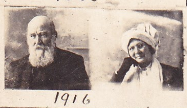
50th Anniversary pics
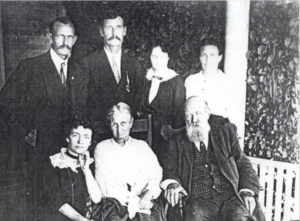
Family reunion, circa 1920